
How Routine Pest Control Helps Prevent Major Infestations
Routine pest control helps prevent major infestations by regularly eliminating pests before they become a serious problem, with local service providers ready to assist.
Understanding how routine pest control helps prevent major infestations is essential for property owners looking to protect their homes and businesses. Regular pest management services provide ongoing monitoring and preventative treatments that target pests before they become overwhelming problems. By addressing potential entry points and reducing attractants early on, local service providers can help keep pests at bay, saving property owners from costly and disruptive infestations down the line. Staying proactive with routine pest control is a practical step that supports long-term pest prevention and peace of mind.
For property owners in the area, exploring how routine pest control fits into their overall pest management plan offers tangible benefits. Local contractors are experienced in customizing treatments to suit specific property needs, helping to minimize pest activity before it escalates. Regular visits and inspections not only catch early signs of pests but also reinforce barriers against future invasions. This consistent approach can make a significant difference in maintaining a pest-free environment, encouraging property owners to consider routine pest control as a key component of their prevention strategy.
- General pest control - homeowners may need routine pest control to keep common pests like ants and spiders at bay and prevent larger infestations.
- Termite prevention - property owners seeking to avoid costly termite damage often rely on local contractors for regular treatments that target early signs of infestation.
- Rodent control - those noticing signs of mice or rats may engage local service providers to establish ongoing prevention measures before an infestation develops.
- Bed bug management - individuals wanting to prevent a full-blown bed bug problem often schedule routine inspections and treatments with local professionals.
- Wildlife exclusion - homeowners concerned about animals like raccoons or squirrels entering their property can work with local pros to implement preventative barriers and control methods.


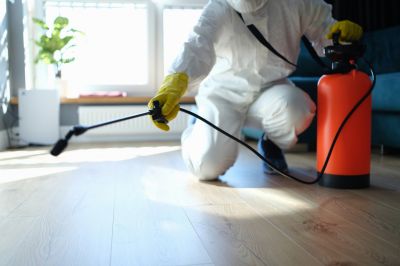
When people search for how routine pest control helps prevent major infestations, they are often looking for ways to protect their homes from unexpected pest problems. The focus is usually on ongoing prevention rather than reactive treatments after an infestation has already taken hold. Homeowners want to understand how regular pest management can keep common pests-such as ants, spiders, cockroaches, and rodents-at bay, reducing the risk of larger, more disruptive infestations developing over time. This approach emphasizes proactive measures that can save time, money, and frustration by addressing pest issues before they become serious concerns.
The types of problems related to this topic typically involve the early signs of pest activity, the buildup of pest populations, and the potential damage pests can cause if left unchecked. For instance, a small colony of ants or a few signs of rodents in the attic may seem minor initially, but without routine pest control, these issues can escalate into full-blown infestations. Homeowners often have plans to safeguard their living spaces, especially if they have children, pets, or valuable belongings. Routine pest control is viewed as a key part of a comprehensive plan to maintain a pest-free environment, helping to prevent infestations that could lead to structural damage, health risks, or contamination.
Properties that commonly come up in discussions about routine pest control include single-family homes, multi-unit residential buildings, and small commercial spaces such as offices or retail shops. These properties are often in close proximity to outdoor environments that attract pests, like gardens, wooded areas, or bodies of water. Homes with easy access points-such as gaps around doors, windows, and utility lines-are also more susceptible to pest entry. Local service providers are experienced in tailoring pest control plans to suit different property types, ensuring that routine treatments address the specific risks and vulnerabilities of each property, helping to prevent larger infestations from developing.
Understanding how routine pest control fits into property maintenance projects helps homeowners see its practical value. Regular treatments performed by local pros can include applying protective barriers, targeted bait stations, and preventive treatments that keep pests from establishing a foothold. These proactive measures are designed to interrupt pest life cycles and eliminate early signs of activity before they develop into major problems. By maintaining a consistent pest management routine, property owners can reduce the likelihood of costly infestations and enjoy a more comfortable, pest-free living space. Connecting with local contractors experienced in routine pest control ensures that appropriate, ongoing prevention strategies are in place to protect homes and properties over time.
Termite Inspection and Treatment - local contractors perform inspections and treatments that help identify early signs of infestation, supporting prevention efforts for major pest issues.
Rodent Control Projects - these projects involve sealing entry points and setting traps, skills that are applicable to routine pest control aimed at preventing larger infestations.
Mosquito Control Services - local service providers use planning and application techniques similar to pest control to reduce breeding sites and prevent widespread mosquito problems.
Spider and Insect Barrier Treatments - applying barriers around properties helps keep pests at bay, aligning with strategies used in routine pest control to prevent major infestations.
Wildlife Exclusion and Removal - these projects involve planning and installation of exclusion devices, skills that support routine efforts to keep pests from establishing large populations.
Sanitation and Habitat Modification - local pros advise on and implement habitat modifications that complement pest control plans to prevent future infestations.
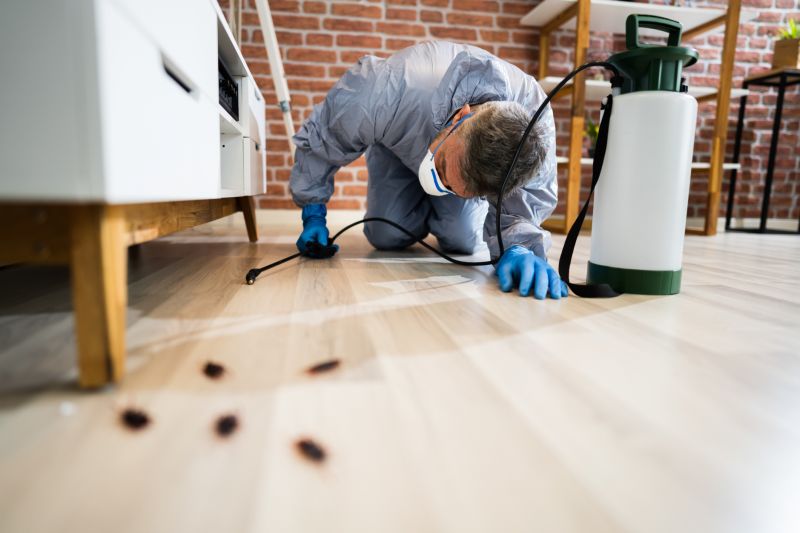
When comparing local service providers for routine pest control, it is important to consider their experience with similar projects. Homeowners should inquire about how long the contractors have been providing pest management services and whether they have handled homes with comparable needs and pest issues. A provider with a solid track record in preventing major infestations through regular treatments can often demonstrate a better understanding of effective strategies and common challenges. This experience can be a valuable indicator of their ability to deliver consistent, reliable service that helps maintain a pest-free environment over time.
Clear written expectations are essential when evaluating potential service providers. Homeowners should seek detailed information about what the routine pest control includes, how often treatments are scheduled, and what steps are taken to prevent major infestations. Transparent communication about service scope helps ensure that homeowners understand what is being offered and can compare options effectively. Having well-defined expectations also reduces misunderstandings and helps establish a professional relationship based on clarity and mutual understanding.
Reputable references and good communication are key factors in selecting a dependable local contractor. Homeowners are encouraged to ask for references or reviews from previous clients who have experienced similar pest issues and have benefited from routine pest control services. An approachable contractor who is willing to answer questions and provide straightforward information can foster trust and confidence in their ability to deliver consistent results. Effective communication ensures that homeowners stay informed about treatment plans, ongoing recommendations, and any adjustments needed to maintain a pest-free home, ultimately supporting the goal of preventing major infestations through routine care.
Property owners often search for how routine pest control helps prevent major infestations when they are planning practical projects around their homes and businesses. Local pros provide Routine Pest Control services for everyday jobs and straightforward project options.

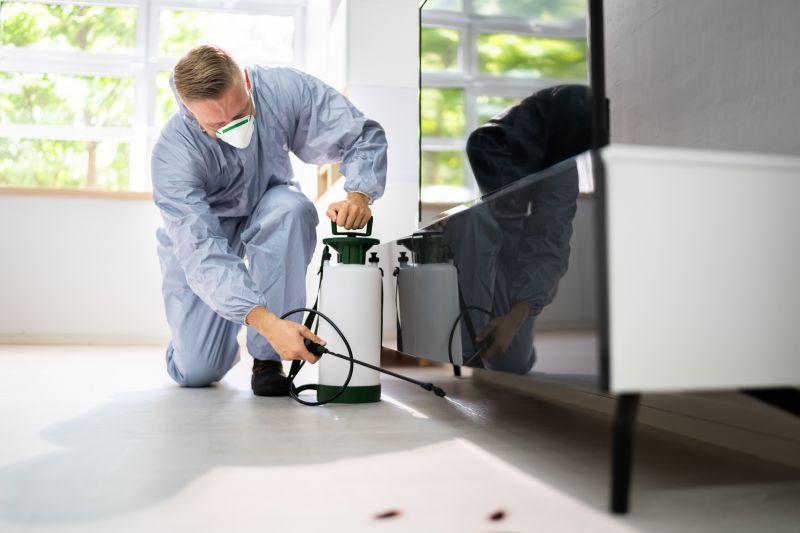
Routine pest control services play a key role in preventing major infestations by addressing pest activity before it becomes unmanageable. Property owners often seek these services to keep common pests like ants, spiders, and rodents at bay, especially during seasonal changes when pests tend to be more active. Regular visits from local contractors can help identify early signs of pest presence, allowing for targeted treatments that reduce the likelihood of a full-blown infestation developing over time.
In everyday property situations, consistent pest control can save homeowners from the inconvenience and potential damage caused by pests. By maintaining a proactive approach, local service providers help ensure that pests do not establish permanent nests or colonies on the property. This ongoing prevention is especially valuable for those who want to protect their homes and surroundings from unexpected pest problems, making routine pest control a practical step toward long-term pest management.
How does routine pest control help prevent major infestations? Routine pest control services target pests early, reducing their populations before they become difficult to manage and preventing large-scale infestations from developing.
What pests are most effectively controlled through regular treatments? Common pests like ants, cockroaches, spiders, and rodents are often kept in check with routine pest control, minimizing the risk of a major infestation.
Why is consistent pest management important for prevention? Consistent treatments help maintain a barrier against pests, addressing potential entry points and breeding sites before pests can establish a significant presence.
How do local service providers tailor routine pest control to prevent infestations? Local contractors assess specific property conditions and pest risks to develop ongoing treatment plans that effectively prevent major pest problems.
Can routine pest control eliminate the need for emergency pest treatments? While routine services significantly reduce the likelihood of severe infestations, they also help identify early signs of pest activity, decreasing the chances of requiring urgent treatments.
Regular inspections - routine pest control services include periodic inspections that help identify early signs of pest activity before it becomes a major problem.
Preventive treatments - applying preventive pest control treatments around a property’s perimeter can create a barrier that deters pests from entering.
Targeted exclusion measures - local contractors can advise on sealing entry points and reducing attractants to minimize pest access and reduce infestation risks.
Ongoing monitoring - continuous monitoring by pest control professionals helps catch pest issues early, preventing minor problems from escalating into major infestations.
If you are thinking about how routine pest control helps prevent major infestations for a property, this guide is meant to help you understand this topic, the typical project types, and how different options might fit your plans.
When you are ready, you can use the quote form on this page to share a few details about your project. From there, local pros can review the basics and follow up with options that match what you have in mind.