
Why Stinkbugs Invade Homes and Buildings
To prevent stinkbug invasions, local service providers can identify entry points and implement effective control methods to keep these pests out of homes and buildings.
Many property owners in the area notice an increase in stinkbugs during certain times of the year, especially as they seek warm, sheltered places to settle in for the season. Understanding why stinkbugs invade homes and buildings can help residents take practical steps to prevent these unwelcome guests from becoming a persistent nuisance. Stinkbugs are naturally drawn to structures that offer warmth and protection, often entering through small cracks and gaps in the foundation, windows, or vents. Recognizing these common entry points and reasons for invasion can make a significant difference in managing the problem effectively.
Fortunately, local service providers who specialize in stinkbug invasion control are equipped to assist with these issues. They can evaluate property vulnerabilities, recommend targeted solutions, and implement strategies to keep stinkbugs outside where they belong. Exploring this topic further can help property owners identify the causes behind stinkbug activity and discover how professional help can make a difference in maintaining a pest-free home or building. Keep reading to learn more about why stinkbugs invade and how local experts can support effective control.
- Stinkbug Entry Prevention - when homeowners notice increased stinkbug activity inside, local contractors can implement sealing and exclusion techniques to block entry points.
- Insect Barrier Installation - if stinkbugs are gathering around windows or vents, service providers can install screens and barriers to reduce invasions.
- Structural Inspection and Repair - signs of damage or gaps in siding and eaves may attract stinkbugs, prompting local pros to perform targeted repairs.
- Property Exterior Treatments - when stinkbugs are seen clustering on walls or near entryways, local contractors can apply treatments to deter their approach.
- Odor Control and Removal - after a stinkbug invasion, service providers can assist with odor mitigation and cleanup to restore indoor air quality.
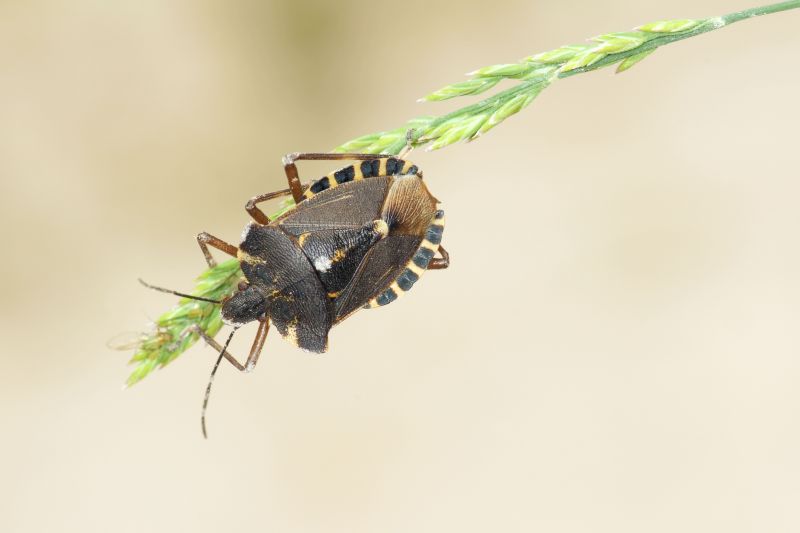
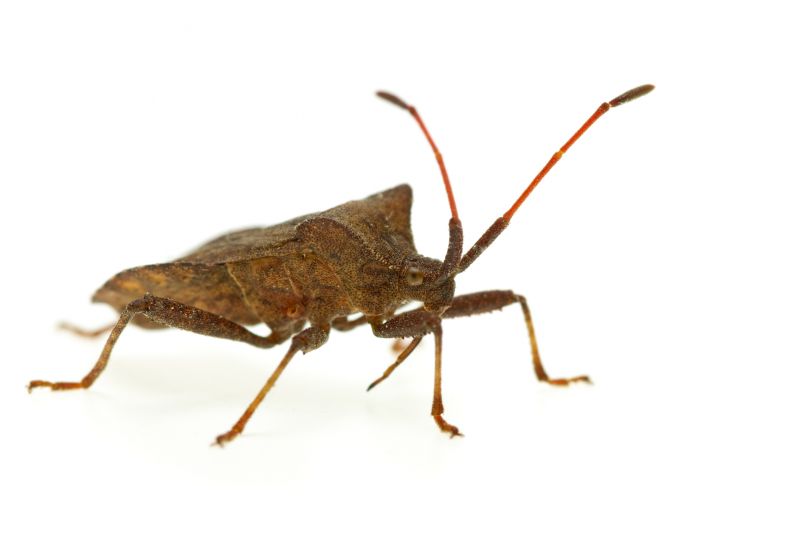
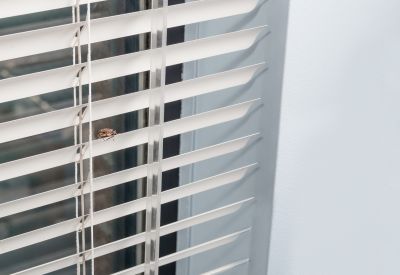
Understanding why stinkbugs invade homes and buildings is a common concern for homeowners during certain times of the year. These insects are often mistaken for pests that pose direct health risks, but their primary issue is nuisance and the potential for indoor infestations. When people search for this topic, they usually want to know what attracts stinkbugs inside, how they get in, and what can be done to prevent or eliminate these unwelcome visitors. Recognizing the reasons behind their invasion helps homeowners develop effective plans for managing the problem, especially when it becomes persistent or difficult to control on their own.
The invasion of stinkbugs is typically related to seasonal changes and environmental factors. As temperatures drop in the fall, these insects seek warm, sheltered places to overwinter, which often leads them to enter homes and buildings. They are attracted to the warmth and light of human dwellings, especially around entry points such as gaps around windows, doors, vents, and utility lines. For property owners, understanding these behavioral patterns is important because it connects to larger efforts to seal entry points and implement exclusion strategies. Local service providers specializing in stinkbug control can assist with identifying vulnerable areas and applying targeted measures to prevent future invasions.
Certain types of properties are more prone to stinkbug invasions, including residential homes, especially those with older or poorly sealed exteriors. Commercial buildings, farm structures, and even garages or sheds can become targets when they provide easy access and suitable hiding spots. These insects tend to gather in areas where they can find shelter and warmth, making properties with cracks, gaps, or openings particularly attractive. Homeowners and property managers who recognize these vulnerabilities can work with local contractors to improve sealing and screening efforts, reducing the likelihood of recurring invasions and the need for ongoing removal.
Addressing stinkbug invasions often involves a combination of identification, exclusion, and removal strategies. While some property owners may attempt DIY solutions, many find that working with local pros offers more comprehensive and lasting results. These specialists can accurately identify entry points, implement effective exclusion methods, and provide ongoing monitoring or treatment options. Connecting with experienced service providers ensures that properties are better protected against future invasions, especially during seasonal peaks. Understanding why stinkbugs invade homes and buildings helps property owners take proactive steps and makes it easier to find the right local experts to handle the situation effectively.
Home sealing projects involve identifying and sealing entry points that attract stinkbugs, similar to how understanding their invasion patterns aids in control efforts.
Insect screening installations help prevent stinkbugs from entering homes and buildings, requiring planning and precise work comparable to pest entry barrier strategies.
Building inspection services assess structural vulnerabilities that may allow stinkbugs to invade, aligning with the skills used to identify pest entry points.
Exclusion repair projects focus on fixing existing gaps and cracks in building exteriors, similar to methods used in stinkbug prevention.
Pest-proofing services involve comprehensive sealing and barrier techniques that are directly relevant to controlling stinkbug invasions.
Structural repair projects address damage or weaknesses in buildings that may facilitate pest entry, paralleling the planning needed for stinkbug prevention.
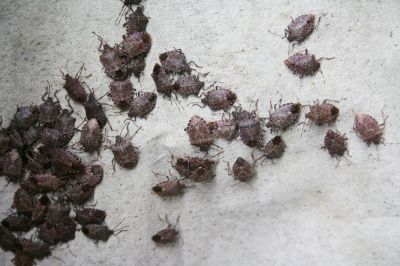
When comparing service providers for stinkbug invasion control, it is important to consider their experience with similar projects. Homeowners should look for local contractors who have a proven track record in handling pest issues related to stinkbugs and understanding why they invade homes and buildings. An experienced professional will be familiar with common entry points and effective methods to address infestations, ensuring that the approach is tailored to the specific needs of the property. This background can contribute to more efficient and thorough solutions, reducing the likelihood of recurring invasions.
Clear written expectations are essential when evaluating local pros for stinkbug control services. Homeowners should seek providers who can offer detailed descriptions of the services they offer, including what is included in the treatment process and what results to expect. Having a well-defined scope of work helps prevent misunderstandings and ensures that both parties are aligned on the goals of the project. Well-documented expectations also serve as a reference point throughout the process, making it easier to assess whether the service provider is meeting the agreed-upon standards.
Reputable references and strong communication are key factors in selecting a reliable service provider. Homeowners can ask for references from previous clients who have dealt with similar stinkbug issues, gaining insight into the contractor’s effectiveness and professionalism. Additionally, choosing a provider who communicates clearly and promptly can make the experience more straightforward and less stressful. Good communication fosters trust and helps homeowners stay informed about the progress and results of the treatment, ultimately leading to a more positive and successful pest management experience.
Property owners often search for why stinkbugs invade homes and buildings when they are planning practical projects around their homes and businesses. Local pros provide Stinkbug Invasion Control services for everyday jobs and straightforward project options.
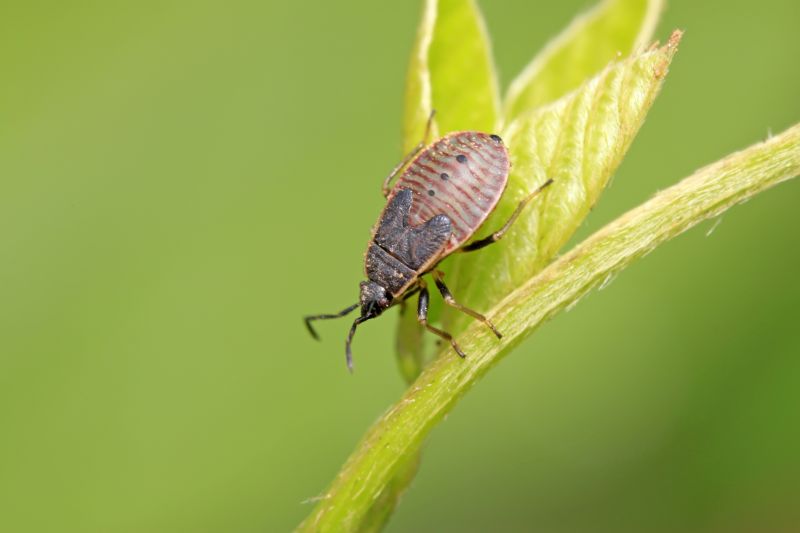
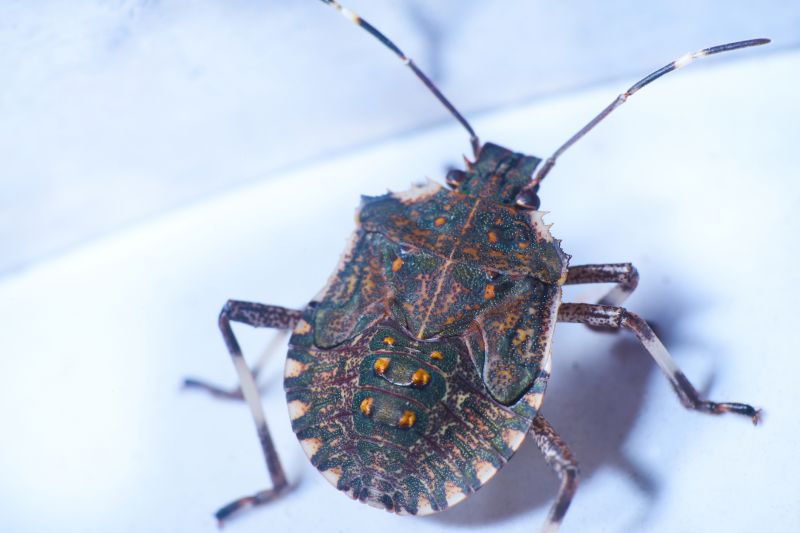
Stinkbugs tend to invade homes and buildings primarily during the fall and early winter months when they seek warm, sheltered places to escape the cold outdoor temperatures. Property owners often notice these insects gathering around windows, door frames, and vents as they try to find entry points into their living spaces. Simple projects like sealing cracks, repairing damaged screens, and installing weather stripping can help prevent these bugs from sneaking inside. When infestations become persistent, local contractors specializing in pest control and building maintenance can provide effective stinkbug invasion control services to address the problem and keep homes secure.
Understanding why stinkbugs invade homes and buildings can help property owners take proactive steps to minimize their presence. These insects are attracted to the warmth and shelter that structures provide, especially as outdoor conditions become less hospitable. Consulting with local service providers experienced in pest management and exclusion techniques can offer practical solutions for reducing stinkbug entry points and managing existing invasions. Connecting with these professionals ensures that appropriate measures are in place to protect the interior spaces from future invasions and maintain a comfortable living environment.
Why do stinkbugs tend to invade homes and buildings? Stinkbugs are attracted to warm, sheltered areas, especially during colder months, seeking places to overwinter. They often enter through cracks and gaps in windows, doors, or walls, making homes and buildings appealing for shelter.
What attracts stinkbugs to indoor spaces? Factors such as light sources, indoor plants, and the warmth of a building can attract stinkbugs. They also follow scent trails from outdoor vegetation or nearby gardens that harbor these pests.
How can local service providers help prevent stinkbug invasions? Professionals can identify entry points and apply targeted sealing or exclusion techniques to block stinkbugs from entering. They may also recommend or perform treatments to reduce existing populations inside structures.
Are stinkbug infestations difficult to control without professional help? Yes, because stinkbugs can hide in hard-to-reach areas, making DIY control challenging. Local contractors have the tools and expertise to effectively manage and prevent future invasions.
What are common signs that indicate a stinkbug invasion? The presence of numerous stinkbugs around windows, door frames, or light fixtures, especially during seasonal changes, often signals an invasion. Professional services can assess the situation and implement appropriate control measures.
Identify entry points - property owners can work with local contractors to inspect and seal cracks or gaps where stinkbugs may enter, reducing indoor invasions.
Seal windows and doors - applying weatherstripping or caulking around openings helps prevent stinkbugs from sneaking inside during seasonal migrations.
Install screens and barriers - adding fine mesh screens on vents, chimneys, and attic openings creates a physical barrier against stinkbug entry.
Perform routine inspections - scheduling regular checks with local service providers can catch early signs of stinkbug activity and address vulnerabilities promptly.
If you are thinking about why stinkbugs invade homes and buildings for a property, this guide is meant to help you understand this topic, the typical project types, and how different options might fit your plans.
When you are ready, you can use the quote form on this page to share a few details about your project. From there, local pros can review the basics and follow up with options that match what you have in mind.