
How Spiders Affect Commercial Properties
Commercial spider control services help protect properties by reducing spider infestations that can damage reputation, compromise hygiene, and create safety concerns.
Understanding how spiders affect commercial properties is an important consideration for many business owners and property managers. Spiders can sometimes be more than just a minor nuisance; their presence may indicate underlying issues with pest activity or create concerns about cleanliness and customer impressions. Exploring this topic can help property owners identify practical ways to maintain a professional and inviting environment, especially since local contractors who specialize in commercial spider control can provide targeted solutions to address these concerns effectively.
For those managing commercial spaces, gaining insight into how spiders impact the overall condition and perception of a property is valuable. Whether it’s preventing potential pest problems or ensuring the space remains welcoming to clients and employees, knowing when and how to seek assistance from experienced service providers is key. Local contractors who offer commercial spider control services are equipped to help manage and reduce spider populations, contributing to a cleaner, more comfortable environment for everyone. Keep reading to learn more about the significance of this issue and how local experts can support property owners in maintaining a pest-free space.
- Commercial building inspections - businesses noticing increased spider activity or infestations can rely on local contractors to assess and identify potential entry points and nesting sites.
- Spider prevention treatments - property managers seeking to reduce spider presence often work with local service providers to apply targeted barriers around the structure.
- Sanitation and clutter removal - facilities experiencing pest issues may need local pros to eliminate debris and clutter that attract spiders and provide hiding spots.
- Structural repairs and sealing - owners noticing spider entry points can have local contractors seal cracks and gaps to prevent future invasions.
- Ongoing pest management plans - businesses aiming to maintain a spider-free environment can partner with local providers to develop customized control strategies.

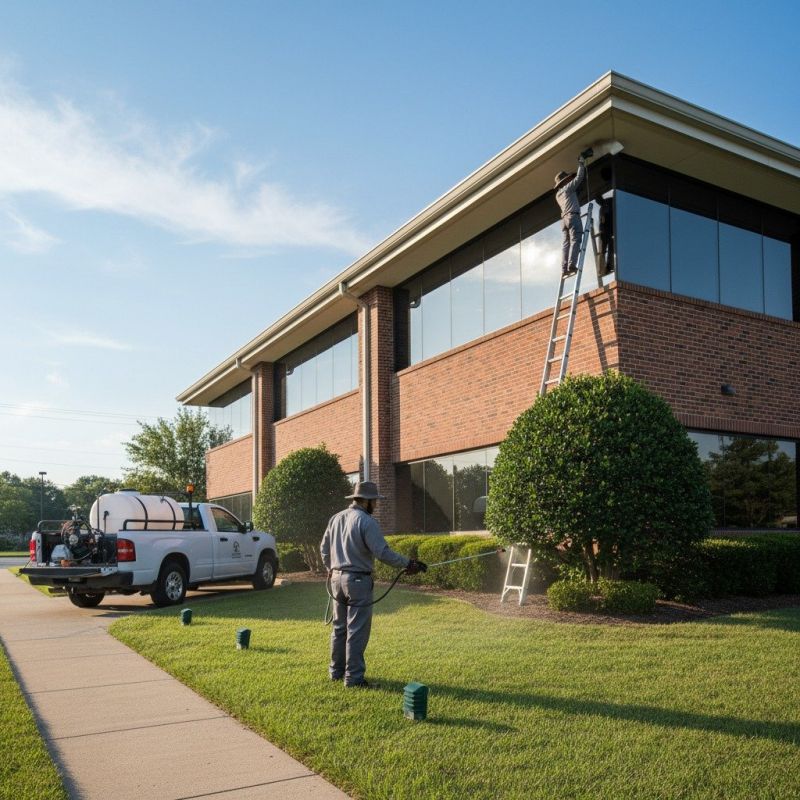
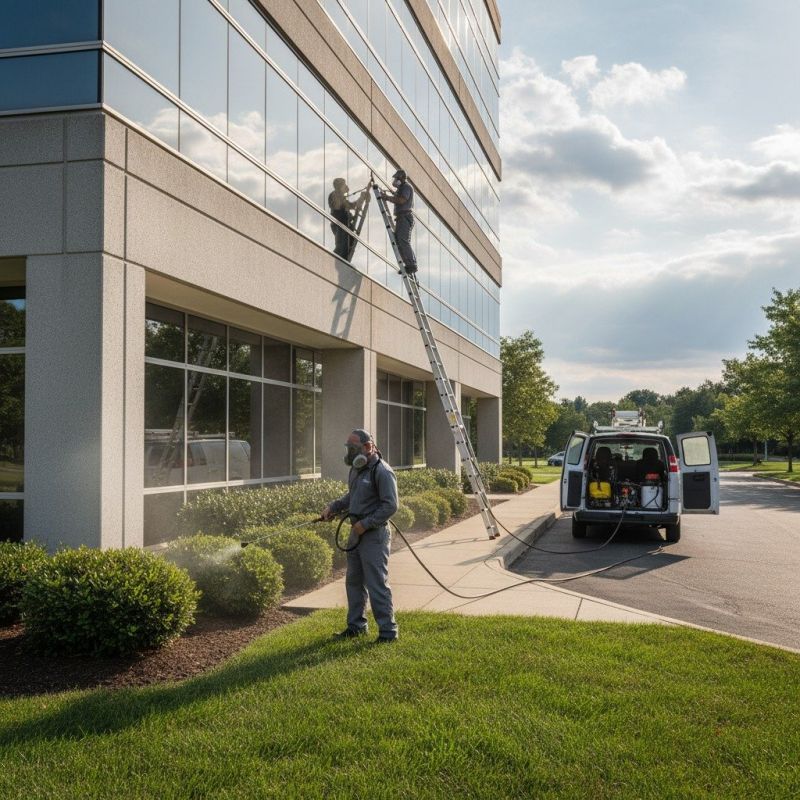
When people search for how spiders affect commercial properties, they often want to understand the potential risks and nuisances associated with spider presence in business environments. This concern can stem from worries about pest infestations, property damage, or the impact on customer and employee comfort. Many property owners are interested in learning whether spiders pose health threats or if their webs and egg sacs could lead to unsightly conditions that affect the appearance of their buildings. Additionally, some seek guidance on whether spider activity might indicate larger pest problems that require professional intervention to prevent more serious issues.
The problems related to how spiders affect commercial properties often involve concerns about cleanliness, safety, and the overall impression a business makes. Spiders can create webs in high-traffic areas, entrances, or storage spaces, leading to cluttered, unprofessional appearances. The presence of spiders and their webs can also attract other pests or insects, which may cause further complications. For some businesses, especially those in food service or hospitality, even minor pest issues can impact reputation and customer trust. Plans to address these issues typically involve pest management strategies designed to reduce spider populations and prevent webs from forming in critical areas.
Commercial properties that frequently come up in discussions about spiders include warehouses, retail stores, office buildings, restaurants, and manufacturing facilities. These types of properties often have structural features such as eaves, corners, and storage areas that provide ideal hiding spots and nesting sites for spiders. Large, open spaces with high ceilings or cluttered corners are common places where webs are noticed. Properties with landscaping or nearby vegetation may also experience higher spider activity, as these environments offer natural habitats for spiders to thrive. Understanding the specific needs of each property helps in selecting the most effective control methods.
Local service providers specializing in spider control for commercial properties play an essential role in managing these concerns. They assess the property to identify spider hotspots and potential entry points, then implement targeted treatments to reduce populations and web-building activity. These professionals can help develop ongoing maintenance plans to keep spider activity under control, ensuring the property remains clean, safe, and visually appealing. Connecting with experienced contractors allows property owners to address spider-related issues proactively, prevent infestations from escalating, and maintain a professional environment for customers and staff alike.
Commercial Pest Management - Professionals specializing in pest management handle a variety of infestations, including spiders, which can impact the safety and cleanliness of commercial properties.
Building Inspection Services - Building inspectors assess structural vulnerabilities and pest entry points, helping identify how spiders may affect commercial property integrity.
Sanitation and Waste Management - Waste management experts address clutter and debris that can attract spiders, supporting overall pest prevention efforts in commercial settings.
Property Maintenance and Repairs - Maintenance contractors repair entry points and seal gaps, reducing spider access and preventing infestations that could affect commercial operations.
Security and Barrier Installation - Specialists install physical barriers like screens and seals to block spider entry, safeguarding commercial properties from pest-related issues.
Facilities Management - Facilities managers coordinate pest control strategies, including spider prevention, to minimize disruptions and maintain property standards.
When comparing service providers for commercial spider control, it is important to consider their experience with similar projects. A contractor who has worked with properties of comparable size and type can better understand the specific challenges associated with how spiders affect commercial properties. This familiarity can lead to more effective treatment plans and tailored solutions that address the unique needs of the environment. Reviewing the backgrounds of potential contractors and asking about their previous work on commercial sites can help ensure that the chosen service provider has the relevant expertise to handle the job successfully.
Clear written expectations are essential when selecting a commercial spider control provider. A reputable contractor should be able to outline the scope of work, the methods they plan to use, and any areas that will be addressed during the treatment process. Having these details in writing helps prevent misunderstandings and provides a basis for evaluating whether the services meet the specific needs of the property. It also allows property owners to assess if the approach aligns with their standards and expectations for maintaining a pest-free environment.
Reputable references and effective communication are key factors in choosing the right local contractor. Asking for references from previous commercial clients can provide insights into the contractor’s reliability, professionalism, and ability to deliver results. Good communication throughout the process ensures that questions are answered, concerns are addressed, and the scope of work is clearly understood. A service provider who maintains transparent and open dialogue can help property owners feel confident in the treatment plan and its effectiveness in managing how spiders affect commercial properties.
Property owners often search for how spiders affect commercial properties when they are planning practical projects around their homes and businesses. Local pros provide Commercial Spider Control services for everyday jobs and straightforward project options.

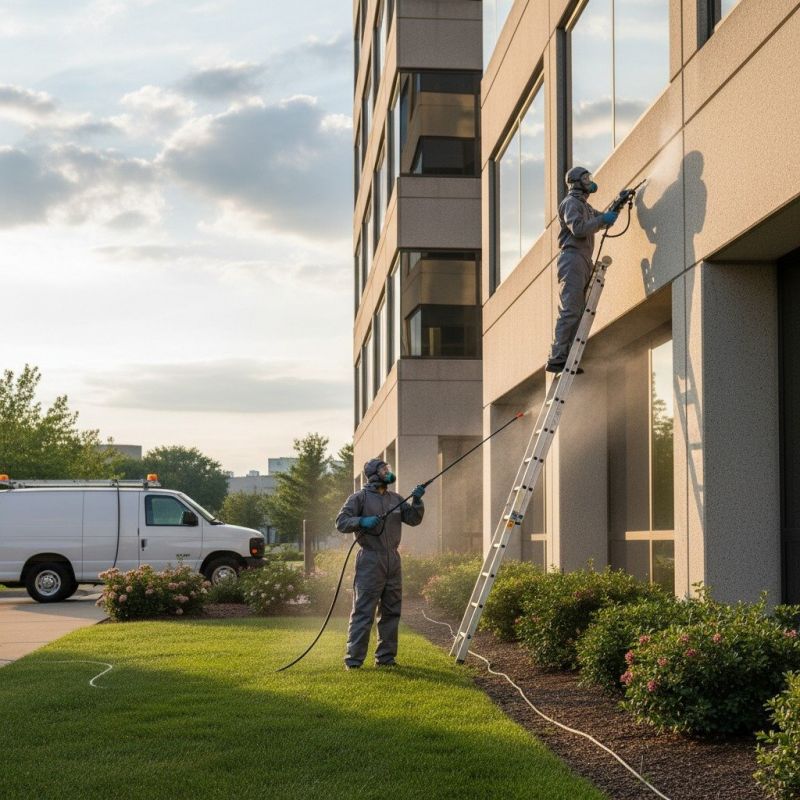
Understanding how spiders affect commercial properties is important for business owners and property managers in the area. Spider activity can lead to concerns about pest infestations, especially if webs and egg sacs accumulate in common areas, storage spaces, or around building exteriors. These spiders may also create an unkempt appearance, which can impact the professional image of a business or facility. When spider presence becomes noticeable or begins to interfere with daily operations, property owners often look into professional commercial spider control services to address the issue efficiently.
Local contractors who specialize in pest management can help mitigate the effects of spiders on commercial properties. They offer targeted treatments to reduce spider populations and prevent webs from forming in critical areas. Choosing experienced service providers can help maintain a clean, pest-free environment, ensuring that spiders do not become a distraction or a source of concern for staff and visitors. For those seeking practical solutions, connecting with local experts can provide peace of mind and help keep commercial spaces tidy and spider-free.
How do spiders impact the appearance of commercial properties? Spiders and their webs can create an unkempt look, making a property seem poorly maintained or neglected, which can affect customer perceptions.
Can spider infestations cause damage to commercial buildings? While spiders generally do not cause structural damage, their webs can clog vents, gutters, and other areas, leading to potential issues if not managed.
What health concerns are associated with spiders on commercial properties? Some spiders can pose health risks through bites, especially if venomous species are present, making pest control important for safety reasons.
How do spiders attract other pests to commercial sites? Spiders often hunt insects, but their presence can indicate larger pest problems or attract other pests that seek out spider webs or egg sacs.
How can commercial properties prevent spider problems? Local contractors offer services to reduce spider habitats, such as removing webs and sealing entry points, helping to keep properties less attractive to spiders.
Assessing spider activity in commercial spaces - property owners can work with local contractors to identify areas where spiders are most active, helping to develop targeted control strategies.
Implementing exclusion methods - property owners might collaborate with service providers to seal cracks and entry points that attract spiders, reducing infestations.
Maintaining cleanliness and clutter control - regular cleaning routines advised by local pros can minimize spider habitats around the property.
Applying professional spider control treatments - property owners can schedule treatments with local contractors to reduce spider populations and prevent future issues.
If you are thinking about how spiders affect commercial properties for a property, this guide is meant to help you understand this topic, the typical project types, and how different options might fit your plans.
When you are ready, you can use the quote form on this page to share a few details about your project. From there, local pros can review the basics and follow up with options that match what you have in mind.